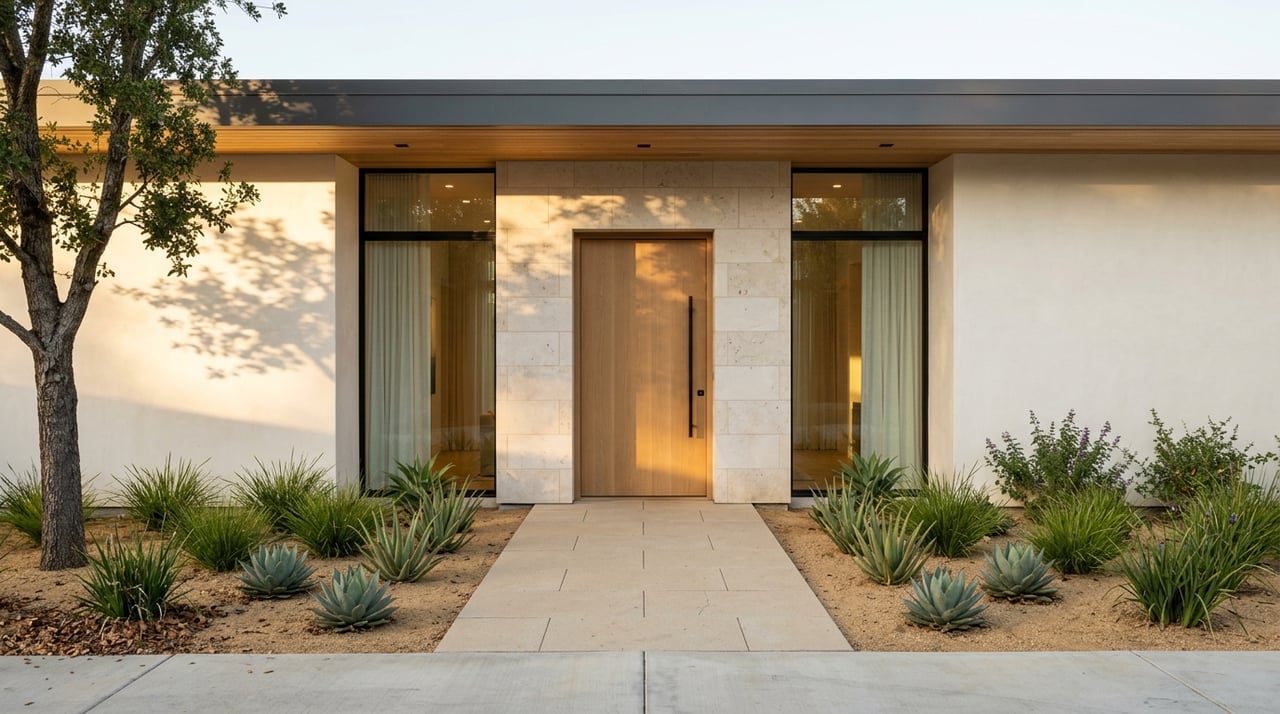
Pricing Your Woodland Hills Home In A Shifting Market
June 18, 2026
June 18, 2026
If you priced your Woodland Hills home based on last year’s buzz, you could miss today’s buyers by a wide margin. This market is not standing still, and that can make selling feel stressful when you want to protect your equity without scaring off serious interest. The good news is that smart pricing is still very possible when you use the right local data and a clear strategy. Let’s dive in.
Woodland Hills looks closer to a balanced market than a classic seller’s market right now. Recent data shows median sale prices in the low $1.1 million to low $1.2 million range depending on the source and time period, while homes are often taking several weeks to sell instead of just a few days.
That shift changes how buyers behave. In a market where many homes sell around list price and a large share close below list, buyers tend to notice overpricing quickly. They have more room to compare options, and they are less likely to stretch for a home that does not clearly match its asking price.
For you as a seller, that means pricing is no longer about testing the highest number the market might tolerate. It is about finding the number that attracts strong interest early, supports your home’s value, and creates the best path to a successful sale.
Recent market snapshots point in the same general direction, even though the numbers vary by source. Redfin reported a median sale price of $1,211,592 for the three months ending May 2026, down 5.2% year over year, with 46 median days on market and 188 homes sold.
Realtor.com labeled Woodland Hills as balanced in March 2026. That snapshot showed homes selling for 98% of asking price and a 33-day median time on market.
Zillow’s April to May 2026 dashboard added another important clue. It showed 316 homes for sale, a median sale price of $1,141,833, a median list price of $1,501,667, a 0.984 sale-to-list ratio, and 61.7% of sales closing below list.
No single number tells the full story, but the pattern is clear. Woodland Hills is not acting like a runaway seller’s market, so pricing precision matters more than optimism.
One of the biggest pricing mistakes is treating Woodland Hills like one single market. It is not.
Submarkets within Woodland Hills can show meaningful differences in asking prices and pace. Realtor.com’s area dashboard, for example, shows different pricing levels between 91364 and 91367, and it also reflects variation across places like Warner Center, Greater Mulwood, and Owensmouth.
That matters because buyers do not compare your home to every home with a Woodland Hills address. They compare it to homes with a similar location, property type, lot profile, layout, condition, and overall presentation.
If your home is a single-family property in one pocket, pricing it against a different pocket or against a polished active listing in another submarket can lead you off track. The strongest pricing strategy starts with the most relevant recent closed sales, not the broad neighborhood label.
It is easy to anchor to a nearby listing and assume your home should be priced the same way or higher. In a shifting market, that approach can backfire.
The gap between Woodland Hills list prices and sale prices shows why. Zillow reported a median list price of $1,501,667 and a median sale price of $1,141,833, which is a reminder that asking price is not the same as market value.
Active listings still matter, but they serve a different purpose. They show your competition, not your final proof of value.
A better approach is to use recent sold comps first, then compare those numbers against the current active inventory. That helps you see both where buyers have actually been willing to pay and what they will be evaluating when your home hits the market.
Mortgage rates continue to shape buyer behavior. Freddie Mac reported a 30-year fixed mortgage rate of 6.52% on June 11, 2026, and the California Association of Realtors forecast a 6.0% average 30-year rate for 2026, along with an increase in active listings and only modest affordability improvement.
When financing costs stay elevated, buyers tend to become more selective. They pay close attention to monthly cost, condition, and whether a home feels worth the price compared with the alternatives they have already seen.
That means buyers may still act quickly for the right home, but they are often less forgiving when a price feels disconnected from reality. If your home needs updates, shows less well than nearby options, or enters the market above the likely buyer response range, you may lose momentum during the most important days of your listing.
Pricing and presentation work together. They are not separate decisions.
The National Association of Realtors’ 2025 staging report found that 83% of buyers’ agents said staging made it easier for buyers to picture a home as their future home. The same report found that 73% rated listing photos as important, 57% rated physical staging as important, 48% rated videos as important, and 43% rated virtual tours as important.
The report also found that 49% of sellers’ agents said staging reduced time on market, while 29% said staging increased value offered by 1% to 10%. In a market where buyers may tour many homes in person and even more virtually, first impressions carry real weight.
If your home is beautifully prepared, your pricing can reflect that strength more confidently. If it is dated, cluttered, or less polished than competing listings, your price needs to account for that gap.
Neighborhood-wide averages can help you understand the market, but they are not enough to price your home accurately. Woodland Hills has meaningful pocket-to-pocket variation, so broad averages can hide the details that matter most.
The highest visible asking price can be tempting, especially if that home seems somewhat comparable. But active listings are still competing for buyers, and some are priced above what the market will support.
A dated home should not be priced like a fully updated one just because the square footage is similar. Buyers notice condition quickly, and they often adjust their offers accordingly.
Overpricing can hurt more than many sellers expect. In a market where homes may take several weeks to sell, the first showing period is critical, and an overpriced listing can lose urgency before the right buyers ever step forward.
If you want to price strategically in this market, a simple framework can help.
Look first at the most recent sold homes that closely match your home’s location, style, size, lot, and condition. Closed sales give you the clearest picture of what buyers have actually agreed to pay.
A home in one part of Woodland Hills may not perform the same as a similar home in another pocket. Street feel, surrounding inventory, and submarket trends can all influence pricing.
Be realistic about updates, deferred maintenance, curb appeal, and presentation. If your home is move-in ready, that can support stronger pricing. If it needs work, buyers will likely build that cost into their decisions.
Once sold comps establish the value range, compare your home to what buyers can shop right now. This tells you how your home stacks up in real time and where your asking price should sit.
The goal is not to leave the market guessing. The goal is to position your home so the first wave of buyers sees clear value and feels motivated to act.
If you are planning to sell in Woodland Hills, today’s market rewards preparation, realism, and local nuance. A strong result is still very possible, but it usually comes from aligning price with what buyers are seeing, comparing, and financing right now.
That is where experienced guidance can make a real difference. A thoughtful pricing strategy should combine hyper-local comp analysis, honest condition assessment, polished presentation, and a marketing plan that helps your home stand out for the right reasons.
When you approach pricing this way, you give yourself a better chance to attract serious buyers early, avoid stale-listing problems, and negotiate from a stronger position.
If you’re thinking about selling and want a clear, strategic pricing plan for your Woodland Hills home, Jonathan Burstein can help you evaluate the market, position your property thoughtfully, and move forward with confidence.
Woodland Hills Homes
Quiet Suburb or Bustling Valley Hub?
First Time Home Buyers
Chalenges and Opportunities'

The average 30-year fixed mortgage rate is hovering around 6.30% to 6.40% nationally.
Connect with a real estate professional who values trust, insight, and personal attention. Every step is guided by a deep understanding of what “home” truly means.