
First-Time Home Buyers in Los Angeles: Challenges, Opportunities
First Time Home Buyers Jonathan Burstein June 3, 2026
First Time Home Buyers Jonathan Burstein June 3, 2026
I talk to a lot of first-time buyers in Los Angeles, and one question comes up again and again:
“Can I actually afford to buy here?”
It is a fair question.
Between home prices, mortgage rates, down payments, closing costs, and competition, buying your first home in LA can feel overwhelming. For many buyers, it can even feel out of reach.
But here is the good news: buying your first home in Los Angeles is still possible. It just takes more preparation, better guidance, and a clear understanding of where the opportunities are.
According to Zillow’s Los Angeles County housing market data, the average home value in Los Angeles County was approximately $890,437 as of April 30, 2026. For the City of Los Angeles specifically, Zillow’s Los Angeles housing market data reported an average home value of approximately $956,465 as of April 30, 2026.
Those numbers explain why many first-time buyers feel discouraged. But price is only one part of the story. The buyers who succeed are usually not the ones who simply “hope” they find the right home. They are the ones who understand their budget, speak with a lender early, learn the neighborhoods, and stay ready when the right opportunity appears.
In areas like Woodland Hills, West Hills, Calabasas, Tarzana, Sherman Oaks, Reseda, Encino, and the broader San Fernando Valley, every neighborhood can behave a little differently. That is why first-time buyers need more than a search app. They need a plan.
The first challenge is affordability.
In Los Angeles, even a starter home, condo, or townhome can require a serious monthly payment. It is not just the purchase price that buyers need to think about. It is the full cost of ownership.
That includes the mortgage payment, property taxes, homeowners' insurance, HOA dues if there are any, utilities, repairs, and money set aside for the unexpected.
This is where many buyers get surprised. A home may look affordable based on price alone, but the monthly payment tells the real story.
Another challenge is the down payment. Many buyers still believe they need 20% down to buy a home. That is not always true. There are loan programs that may allow qualified buyers to purchase with less. But buyers still need to plan for closing costs, inspections, appraisal fees, moving expenses, and reserves after closing.
In Los Angeles, even a lower down payment can still be a large dollar amount because prices are high. That is why early planning matters.
Mortgage rates also play a major role. According to Freddie Mac’s Primary Mortgage Market Survey, the average 30-year fixed-rate mortgage was 6.53% as of May 28, 2026. When rates are higher, monthly payments rise, and buyers may qualify for less than they expected.
That does not mean buyers should give up. It means they should focus on the payment, not just the price. A good lender can walk through different scenarios, including loan types, down payment options, rate buydowns, and realistic monthly payment ranges.
Competition is another issue. While some parts of the market are more balanced than they were during the peak bidding-war years, well-priced homes in good locations can still move quickly. First-time buyers may find themselves competing with move-up buyers, investors, or buyers with larger down payments.
That can be frustrating, but it does not mean first-time buyers cannot win. It means they need to be prepared before the right property comes on the market.
Here is the part many buyers miss: it is not all bad news.
In some price ranges and neighborhoods, buyers may have more room to negotiate than they did a few years ago. Depending on the property, there may be an opportunity to ask for seller credits, repairs, closing cost help, or a rate buydown.
Not every seller will agree, and not every home will offer that kind of flexibility. But homes that have been sitting on the market longer, need cosmetic updates, or were priced too aggressively may create opportunities for a prepared buyer.
Condos and townhomes can also be a smart first step. For many Los Angeles buyers, the first home may not be the forever home. And that is okay.
A condo or townhome can be a practical way to enter the market, build equity, and stop renting. This can be especially helpful in areas where single-family homes are out of reach. Buying smaller today may put you in a better position to buy larger later.
There may also be assistance programs available. In the City of Los Angeles, the Los Angeles Housing Department’s first-time homebuyer programs include options such as purchase assistance programs and mortgage credit programs for qualified buyers.
One example is the Low Income Purchase Assistance program, also known as LIPA, which may provide purchase assistance to eligible first-time buyers, subject to program rules and available funding.
Los Angeles County buyers may also be able to explore homeownership assistance through the Los Angeles County Development Authority’s homeownership programs.
These programs can be very helpful, but they are not automatic. Income limits, property requirements, funding availability, and lender participation can all affect whether a buyer qualifies. That is why it is important to ask about these options early, before falling in love with a home.
The best first step is to understand your numbers.
Before touring homes, you should know what a monthly payment feels comfortable. Not just what you technically qualify for, but what you can actually live with. A comfortable payment should still leave room for savings, emergencies, lifestyle, and future home expenses.
Next, speak with a lender early. Even if you are not ready to buy today, a lender can help you understand your credit, income, debt, savings, and loan options. Sometimes a buyer needs a few months to improve credit, pay down debt, save more money, or strengthen their approval.
That is not a setback. That is preparation.
It is also important to learn the neighborhoods. Los Angeles is not one single market. A buyer looking in Woodland Hills may have a different experience than someone looking in West Hills, Calabasas, Sherman Oaks, Tarzana, or Reseda. Price, inventory, commute, schools, HOA costs, and resale value can vary from one area to the next.
You should also separate your wants from your needs. Everyone wants the perfect home. But in a market like Los Angeles, flexibility can make a big difference.
Your must-haves may include location, monthly payment, number of bedrooms, parking, or school district. Your nice-to-haves may include a remodeled kitchen, big yard, pool, or extra office space.
Being flexible does not mean settling. It means understanding the trade-offs and choosing the best path into ownership.
Finally, be ready to act when the right property appears. That means having a current pre-approval, proof of funds, a clear offer strategy, and an agent who can move quickly and communicate well.
Good homes can still move fast in Los Angeles. Prepared buyers have an advantage.
Buying your first home in Los Angeles is not easy, but it is possible with the right plan.
The market has real challenges. Prices are high. Mortgage rates matter. Competition still exists. But there are also opportunities, including negotiation, condos and townhomes, different neighborhoods, and possible assistance programs for qualified buyers.
The most important step is not finding the perfect home today. It is getting prepared so that when the right opportunity comes along, you are ready to move with confidence.
Because homebuyer assistance programs, income limits, mortgage rates, and funding availability can change, buyers should always confirm current details with the applicable program, lender, and real estate professional before making decisions.
If you are thinking about buying your first home in Los Angeles, start by speaking with a real estate professional. Understanding your budget, your options, and the local market can help you make a smarter decision before you begin touring homes.


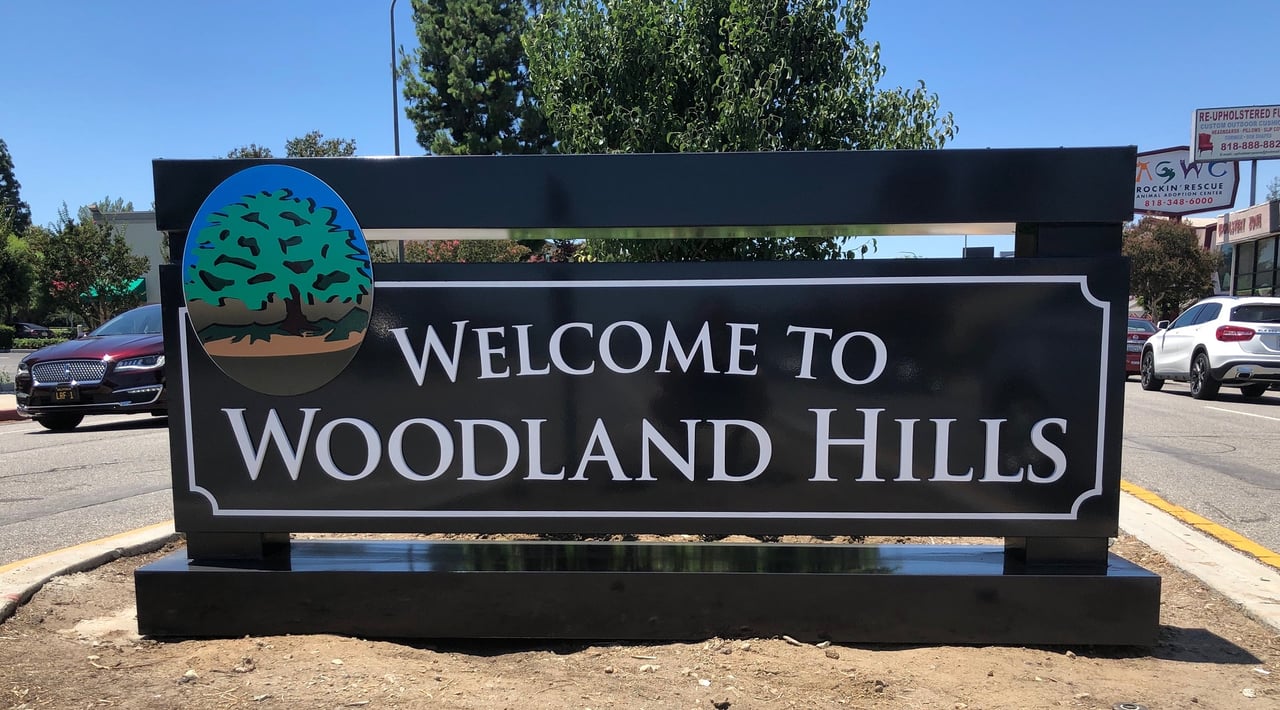
Woodland Hills Homes
Quiet Suburb or Bustling Valley Hub?
First Time Home Buyers
Chalenges and Opportunities'

The average 30-year fixed mortgage rate is hovering around 6.30% to 6.40% nationally.
Connect with a real estate professional who values trust, insight, and personal attention. Every step is guided by a deep understanding of what “home” truly means.