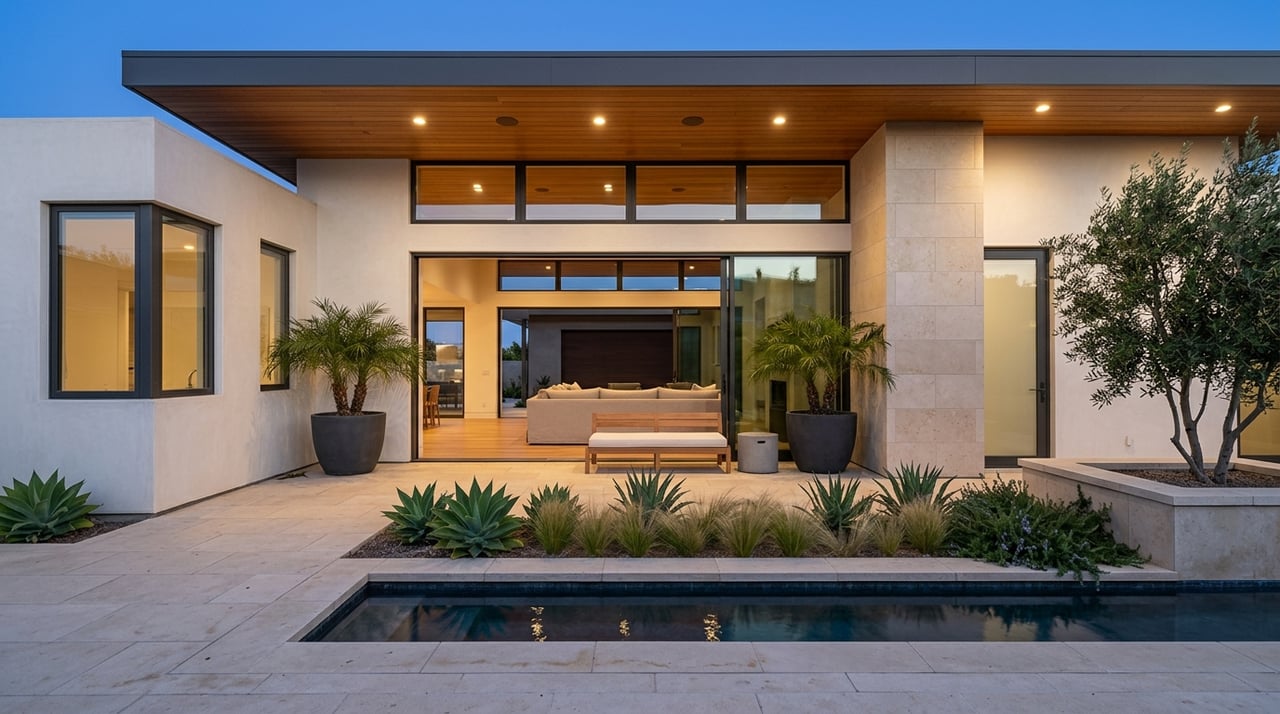
Malibu Lifestyle Guide for Daily Life and Real-World Access
July 16, 2026
July 16, 2026
If Malibu has ever felt like a dream pinned to a postcard, you are not alone. Many buyers and sellers know the ocean views and famous beaches, but the real question is what day-to-day life actually feels like once the photos fade and the routine begins. If you are thinking about buying or selling here, understanding Malibu beyond the image can help you make smarter decisions with more confidence. Let’s dive in.
Malibu is not organized around one traditional downtown. City planning documents describe it as a long, narrow coastal city shaped along Pacific Coast Highway, with Malibu Civic Center and Point Dume Plaza serving as the main commercial hubs while much of the rest of the city remains low-density residential land, larger parcels, and open space.
That matters because Malibu often feels less like one uniform beach town and more like a chain of smaller communities. In practical terms, buyers and sellers usually talk about western, central, and eastern Malibu because each area offers a different balance of access, space, and daily convenience.
Western Malibu includes areas such as Trancas Canyon, Malibu Park, Point Dume, and the lower-density stretches of West Malibu. City materials describe this side of town as more open and more sparsely developed, especially west of the Trancas area.
For you, that can mean more land, more privacy, and a quieter setting. It can also mean more driving and fewer walkable errands than you would typically find closer to Civic Center.
Central Malibu is the most service-oriented part of the city. The Civic Center area includes a mix of commercial, residential, institutional, and open-space uses, along with City Hall, the library, county offices, and several multifamily condominium developments.
If you want easier access to errands, dining, and services, this is the part of Malibu that tends to deliver it. At the same time, it is also one of the more active and commercially concentrated parts of the city, so the feel is different from the quieter stretches to the east and west.
Eastern Malibu includes areas such as Big Rock and Rambla Vista. According to the City’s land-use and wildfire planning materials, this side of Malibu is more topographically constrained and often relies on a limited number of access routes.
That often appeals to buyers who value privacy, dramatic terrain, and views. But it also means road layout, egress, and travel timing can play a bigger role in your decision than they might in flatter or more centralized areas.
Malibu’s housing market is shaped by land as much as by the homes themselves. Census data show an owner-heavy market, with 75.4% of housing units owner-occupied, a median value of owner-occupied housing units above $2,000,000, median monthly owner costs above $4,000 with a mortgage, and median gross rent above $3,500.
That data supports what many people already sense on the ground: Malibu is a high-cost market where parcel size, view orientation, access, and site conditions often matter just as much as square footage and interior finishes.
The City’s land-use plan allows a range of housing types, including rural residential lots from 1 to 40 acres, low-density single-family lots, mobile-home residential areas, and multifamily uses like duplexes, condominiums, stock cooperatives, and apartments.
Still, detached homes on larger parcels remain the dominant housing image for Malibu. Multifamily options exist, but they are generally concentrated in smaller pockets, especially around the Civic Center area.
If you are buying with plans to improve a property, Malibu requires extra homework. The City states that ADU work must comply not only with California ADU law, but also with Malibu’s Coastal Zone and Local Coastal Program requirements.
In plain terms, remodeling, rebuilding, or adding square footage can be more site-specific here than in many inland Los Angeles neighborhoods. That makes permit strategy and property due diligence especially important for buyers and useful talking points for sellers.
In Malibu, transportation is not just a commute topic. It is part of daily living. Pacific Coast Highway is Malibu’s primary transportation corridor and primary evacuation route, and the City reports that about 40,500 vehicles travel through Malibu on PCH each day.
That single fact explains a lot about life here. Whether you are heading to a workout, meeting a contractor, grabbing groceries, or driving inland, timing and route choice can shape the rhythm of your day.
Malibu Canyon Road is the main north-south connector to the U.S. 101 corridor and inland Los Angeles County. Because of that, commute times can change significantly based on traffic, weather, and incidents.
The U.S. Census Bureau reports a mean travel time to work of 32.1 minutes for Malibu residents. That number offers a baseline, but in real life, corridor dependence means some trips may feel easy one day and much slower the next.
Malibu does have transit options, but they are more limited than in more urban parts of Los Angeles. LA Metro Line 134 connects Malibu and Santa Monica, with stops including Malibu Pier, Cross Creek Road, Civic Center Way, and Malibu Canyon Road.
The City also offers Dial-A-Ride service for older adults and residents with disabilities on weekdays. For most households, though, Malibu still functions as a place where driving, parking, and access planning matter on a regular basis.
The City’s evacuation planning materials note that route options are limited and that many local roads do not provide through access beyond their immediate zones. Some neighborhoods also rely on just one main egress route.
For buyers, that means a beautiful home should be evaluated in context. Access, road width, parking, and route flexibility are not side issues in Malibu. They are part of the property story.
The reason many people accept Malibu’s tradeoffs is simple: the outdoor access is real. The City says Malibu has 21 miles of coastline, with public access to beaches and destinations such as Malibu Lagoon State Beach and Surfrider Beach, Zuma Beach, Point Dume, Leo Carrillo, and Robert H. Meyer Memorial State Beach.
This is where Malibu moves beyond the image. The lifestyle is not just about seeing the ocean. It is about regularly using the coast, parks, trails, and open space as part of your weekly routine.
Malibu Bluffs Park gives a good picture of how locals use public space. The City describes it as a six-acre community park at Pacific Coast Highway and Malibu Canyon Road with ball fields, a soccer field, a playground, picnic areas, trails, a whale-watching station, Wi-Fi, and community programming.
City park pages also note that parks are generally open from 8:00 a.m. until sunset. Outdoor recreation programming includes hikes at Charmlee Wilderness Park and nature programs at Legacy Park, which adds to the city’s steady rhythm of daytime, outdoor activity.
Malibu’s dining pattern is also different from what you might expect in a denser city. The City’s 2024-2025 Clean Bay Certified Restaurants list includes spots in the Civic Center and Cross Creek area, along PCH, in Trancas and Heathercliff, and near Westward Beach.
That tells you something important about daily life. Dining here is less about one concentrated nightlife district and more about coastal stops tied to errands, beach days, and casual dinners.
The City also supports recurring community programming, including family-friendly events, arts, and holiday activities. Taken together, the pattern suggests a lifestyle built more around outdoor recreation, community events, and daytime movement than around late-night urban energy.
If that rhythm fits how you want to live, Malibu can feel deeply rewarding. If you prefer a dense, highly walkable nightlife environment, it may feel quieter and more spread out than expected.
For buyers, Malibu often comes down to a tradeoff between privacy and convenience. Western and eastern areas may offer more space and stronger micro-area identity, but they can also require more driving and more attention to lot-specific issues such as slope, egress, and permit review.
Central Malibu tends to be the most convenient for daily errands and dining. But because it is also more active and commercial, it may not offer the same sense of separation that some buyers want from a coastal home.
A smart Malibu home search usually includes questions like these:
For sellers, Malibu is best presented as a lifestyle market with real-world logistics. Ocean access, views, and recreation are often the headline features, but serious buyers also want to understand commute routes, parking, access, and how coastal review can affect future improvements.
That means strong marketing is not just about beautiful visuals. It is also about helping buyers understand how the property fits into Malibu’s day-to-day patterns, including where it sits within the city, how it connects to PCH, and what practical tradeoffs come with the location.
Clear positioning matters in a market like this. Buyers are often paying close attention to both the emotional draw and the operational details, so a thoughtful strategy can help your home stand out for the right reasons.
Malibu can absolutely deliver the scenery people imagine, but the real value is in how the place works once you live there. If you want guidance that combines local context, clear communication, and a strategic approach to buying or selling, Two Lights Media Inc. can help you move forward with confidence.
Connect with a real estate professional who values trust, insight, and personal attention. Every step is guided by a deep understanding of what “home” truly means.